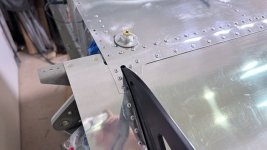
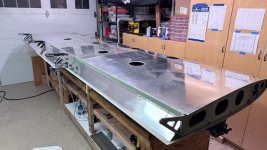
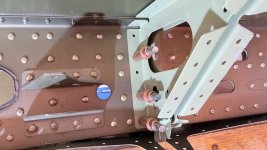
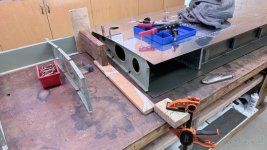
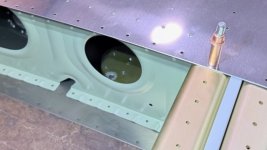
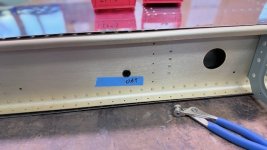
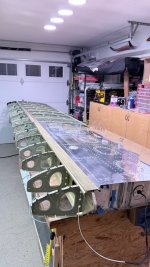
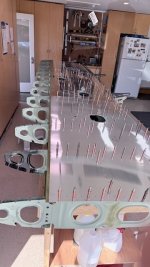
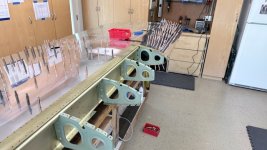
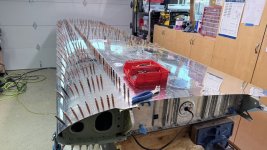
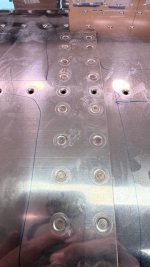
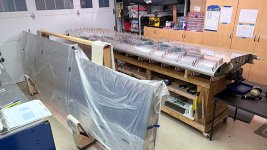
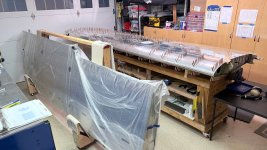
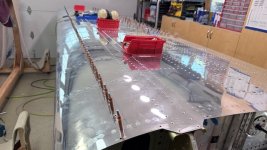
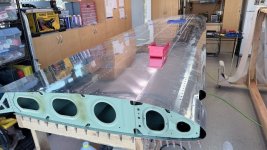
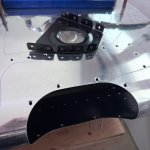
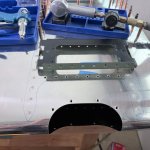
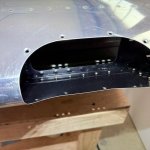
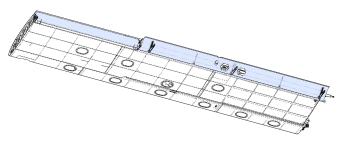
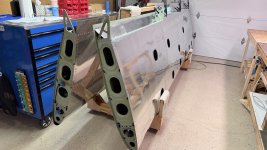
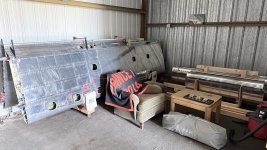
Was sick for a few days but finally managed to get the LEFT wing cleco'd and riveted. Recall that all the rivets forward of the main spar are solid flush rivets (426AD4-4). The process below is for that setup. (which is NON STANDARD)
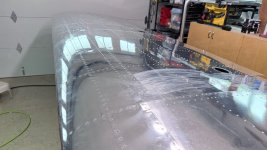
Thanks for the great input from others and the WIKI regarding solid rivets. I used a 3x gun, tungsten bucking bar, and pressure set to 40 PSI. It was no problem to buck the larger rivets and there's no need to use softer rivets.
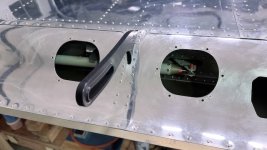
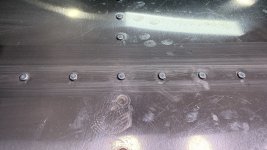
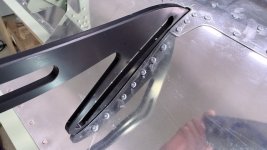
However, with all the riveting completed, there's a pretty good cross section of quality of rivets as well as some unwanted dents in the sheet metal. I found it to be a tricky setup and many times your body, arms, etc. are not in ideal positions. An inspection mirror and light is a must.
I followed the sequence of events as laid out in the KAIs. If it called for a pulled rivet, then we pulled rivets. If it called to rivet the nose skin, we riveted the 426 rivets.
Here's the prep:
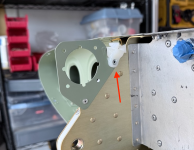
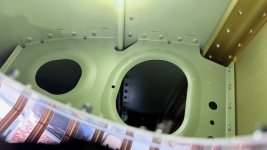
1. Do not install anything on or in the nose ribs until the riveting is done. That means plastic clips, pitot/AOA hose, snap bushings, landing light bracket and 1/4 rib, and wiring harness. You'll want as much room as possible in there. Most of this went in easily later on, but a ferw clips were tricky. Think through the sequence needed to re-install these parts, particularly around and behind the landing light bracket.
2. Remove the two stringers in the nose section, and only rivet those in after the other riveting is done. As mentioned above, it worked great to slide them out and they slid right back in later. (keep in mind the two short stringers are different, and only one works correctly per side)
3. Dimple the nose ribs, landing light bracket, 1/4 rib
4. Dimple the LE (nose) skins. Careful at the inboard and outboard edges as there are holes for fairings that don't get dimpled. I use a Sharpie to circle the holes that need a dimple.
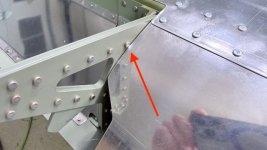
The hardest part is the inboard set of rivets on the outboard double rivet edge sections. It's difficult to get to and inspect. A second SKILLED person would be very helpful.
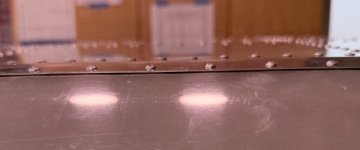
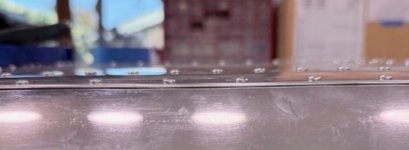
You'll really have to decide if you want perfect rivets, or if you want to fly in a reasonable future time. Most turned out acceptable, a few were drilled out, and I decided to leave a few uglies in there. There's always a cost to drilling rivets, so it is a trade.
This would be super easy (SuperEasy

) if Van's provided guidance that allowed flush pull rivets. Too late for me, but hopefully they can do that soon.
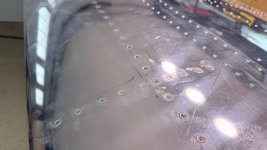
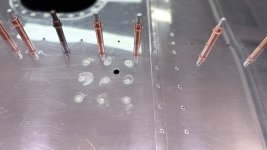
Top skin:
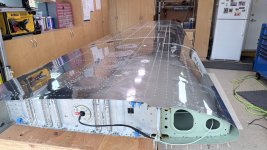
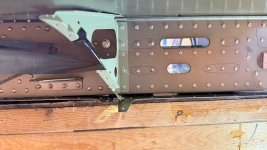
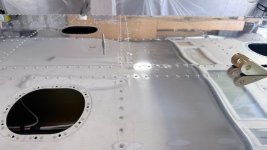
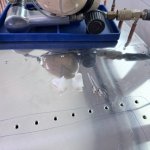
Bottom skin:
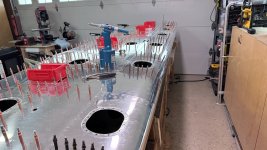
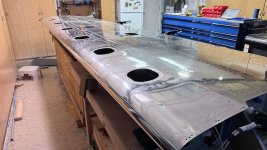
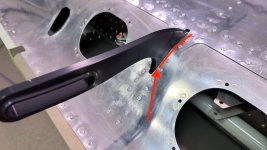
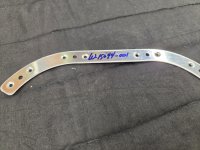
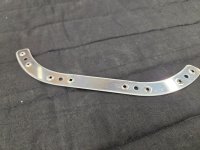
The AN5 bolt on the strut attach fitting was a super tight fit through the spar. You may want to check that prior to assembly.
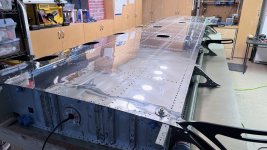
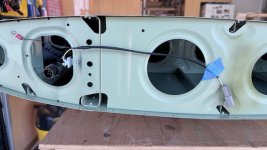
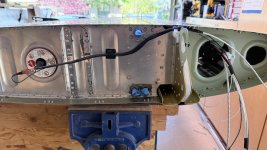
Next: secure wiring and install the fairing on the aft side of the wing.
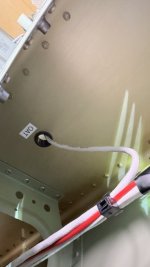
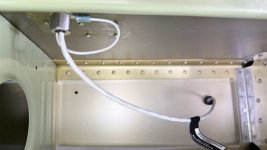
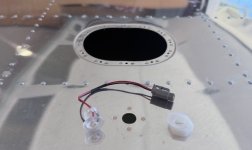
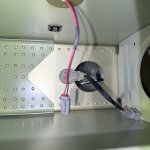
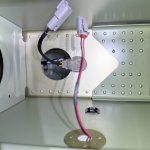
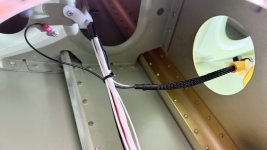
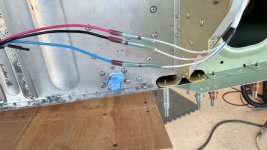
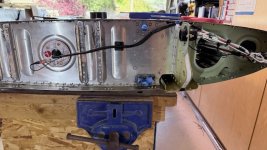
Additionally, the connector bracket was slightly modified to use a clip (I bought extra) which provies an elegant way to route the fuel sender wiring and ground wire to the main connector. Van's has not specified how they plan to incorporate the fuel sender wiring, but since the CiES senders use different wiring I am using the main connector for all electrical (fuel senders and puddle light power).