

Van's Air Force

The definitive Van's Aircraft support community! Buying, building or flying an RV? Join our exclusive family of mentors and enthusiasts!

Alternate Air System Install or Omit?

Carlosanlley

Member
Friend
Hi everyone,

I’m looking for some advice and experience regarding the installation of an alternate air system on an RV-8.

My aircraft is an RV-8 with a Lycoming IO-390 and the Showplanes cowling. Due to the tighter packaging with this setup, space around the snorkel area is extremely limited, especially in the location where the alternate air door/system would normally be installed.

I’m currently debating whether:
  • It is worth the effort to engineer/install the alternate air system despite the tight space, or
  • If some builders/operators have chosen to omit it entirely and what their experience has been.
My main concerns are:
  • Safety implications in real-world operations
  • Risk of filter blockage
  • Whether the alternate air has actually proven useful in RV operations
  • Reliability and maintenance considerations
  • Any creative installation solutions with the IO-390 + Showplanes combination
I would especially appreciate feedback from anyone using the Showplanes cowling/snorkel setup.

Photos of installations or custom solutions would also be greatly appreciated.

Thanks in advance for any guidance and lessons learned.

Carlos S.
 
I opted to say a carb heat door, outside the air filter, is good enough. Pull it before entering any substantial precip.
But I'm a vertical fuel injection setup with the chin air inlet, ... so, FWIW.
 
That is a personal risk risk mitigation choice. Like asking whether or not to carry a fire extinguisher or installing seat belts. Best to follow your gut vs internet advice. Clearly thereis a chance for something bad to happen otherwise they wouldn’t make a bypass. Only you can decide how to view that risk relative to your risk tolerance.
 
I have an RV-8 with an IO-390 and the Van's cowl. I'm not sure if it would work differently somehow with the Showplanes cowl, but my alternate air door is on the side of the snorkel right below the filter. It's the same configuration as the RV-14 (in fact, I used the RV-14 snorkel and baffles). It opens by pulling backwards, so it doesn't take up any room in the tight cowl.
 
The alt air system is there for a reason. There are numerous ways for the air intake to be blocked or compromised.
I discovered that while descending and flew through a flock of starlings. I was at a vulnerable place in flight and reached for the alt air but didn’t need to use it.
We all choose the level of risk we embrace and for me l choose to build in safety features when I can
 
In 35 years of flying, I'm aware of only one incident where alternate air saved somebody's bacon due to an air filter blockage.

Having said that, once would be one to many for me and I installed the alt air setup. It was easy with the standard snorkel setup from Vans. If I had a non OEM setup where that wouldn't have worked out, I would have tried my best to come up with an alternate solution.

I'm not familiar with the constraints of your showplanes setup, but on fuel injected Cessnas they designed a spring loaded flapper downstream of the air filter. If the system gets blocked, intake suction overcomes the spring tension and opens the flap to non-filtered air inside the cowl. I seem to remember a few guys here on VAF experimenting with something similar so that might be an option.
 
Wow! Must be really tight. Alt air door is just a round piece of aluminum sheet. I can't speak to using it, but it's there and if done with some thought, it can be opened or closed with the Bowden control. Aircraft Specialties makes a really nice Alt Air Door B-Nut kit. Kinda pricey, but it's cleaner than winding the cable around a bolt.
 
The horizontal induction “snorkel” alt air system is simple, well engineered, and proven. The original multiple iterations of the vertical induction were not and caused far more problems than they were worth. The risk of ingesting parts out weighed that of a blockage. Different take on risk management. “Lesser evils”.
If you’re going to roll your own, make sure it’s as fool proof as the current Vans design. Not as easy as it sounds.
 
I installed the standard Alt air door kit vans provides and I must say it is adequate, especially since you will likely never use it. But its like insurance, if you need it it is there and functional. I'm ok with vans solution. KISS. Its simple and you can get it to slide open and close with the cable without resetting it manually. It just takes a little bending of the plate just right, tweaking it, taking it off, tweaking again, etc..............sound famliar? kinda like a mini version of the cowl or canopy process
 
Hi everyone,

I’m looking for some advice and experience regarding the installation of an alternate air system on an RV-8.

My aircraft is an RV-8 with a Lycoming IO-390 and the Showplanes cowling. Due to the tighter packaging with this setup, space around the snorkel area is extremely limited, especially in the location where the alternate air door/system would normally be installed.

I’m currently debating whether:
  • It is worth the effort to engineer/install the alternate air system despite the tight space, or
  • If some builders/operators have chosen to omit it entirely and what their experience has been.
My main concerns are:
  • Safety implications in real-world operations
  • Risk of filter blockage
  • Whether the alternate air has actually proven useful in RV operations
  • Reliability and maintenance considerations
  • Any creative installation solutions with the IO-390 + Showplanes combination
I would especially appreciate feedback from anyone using the Showplanes cowling/snorkel setup.

Photos of installations or custom solutions would also be greatly appreciated.

Thanks in advance for any guidance and lessons learned.

Carlos S.

I see show planes RV-8 cowl, what is the airbox? Is that Van's FAB?
FYI not just Show Plane, ALL cowls and induction systems are shoe horned in.
Builders do omit alternate air. You have fuel injection so no chance of carb ice.
However if you will operate VFR all the time, alternate air is less a necessity.

If you fly IFR, in snow or sleet you can get impact blockage. Why you would fly in snow IFR not sure but....
Mooney for example has alternate air, and in IFR with freezing precipitation or snow and sleet the indication can get blocked.
Ask me how I know... Really it is up to you. I understand your dilemma.

Could flying debris get sucked in and block induction? I think unlikely.
It's like insurance you pay for something you hope you never need.
If the engine stops because a shopping bag blocks the induction, you are going to land off field.
 
Last edited:
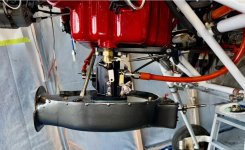
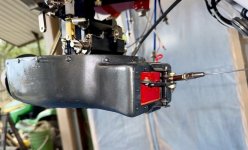
Different ways to do this depending on what induction system is installed. Any hardware or parts and pieces that could be injested by the engine was unacceptable for me so everything is outside of the air filter.

Don Broussard
RV9 Rebuild in Progress
57 Pacer
 

Attachments

  • IMG_7455.jpeg
    IMG_7455.jpeg
    240.8 KB · Views: 70
  • IMG_7457.jpeg
    IMG_7457.jpeg
    213.9 KB · Views: 69
If you fly in freezing rain, snow or icing conditions I would recommend it, otherwise it a waste IMO.
It's a waste until the day you see a red-tailed hawk aiming at your left cowl intake, then there's a big BANG and your engine starts running rough.
 
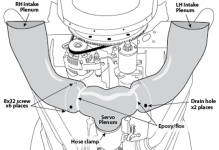
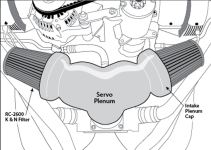
Back to the ops question with a Showplanes intake which has 2 intakes what have others done? Obviously needs to go downstream of the filters.

Screenshot 2026-05-09 090816.pngScreenshot 2026-05-09 090753.png
 
Much about building and flying an airplane is risk management.

The probability of needing alternate air is extraordinarily low. The severity of needing it and not having it is quite high, and a fatal outcome is a possibility. The addition of an alternate air system mitigates the severity to low.
 
i would think that a blocked fuel tank is much more likely as i have heard of a lot of lines plugged by bugs. who has alternate air to the fuel vent?
In that case, you have the option of switching tanks. The likelihood of having a blocked fuel vent seems like it is quite low. The likelihood of having them both blocked at the same time seems much lower.
 
In that case, you have the option of switching tanks. The likelihood of having a blocked fuel vent seems like it is quite low. The likelihood of having them both blocked at the same time seems much lower.
One of my friends had both vents blocked by mud daubers, luckily he was able to land safely.
I’ve seen many blocked vents and pitot tubes, never seen/heard of anyone where alt air saved them.
 
i would think that a blocked fuel tank is much more likely as i have heard of a lot of lines plugged by bugs. who has alternate air to the fuel vent?
i have mitigations for bugs. bent paperclips inserted into vent openings. I agree they are a real threat. Seen blocked vents firsthand. i resaled a leaking tank on a 4. put it back on after about 4 days on the proseal on a nice sunny day. came back an hour later and fuel was pouring out of the tank. Vent completely blocked. expanding fuel blew the new proseal out. Apparently all of the leaks had been acting as vents.
 
Last edited:
Back to the OP, and to expand on my original response.
The design of the standard alt. air on the RV8 is simple, proven, and easy to install.
What you are facing isn’t the same problem.
If I had a stock 8, I would install the alt air.
If I had your setup, I would not.
You have two sides to the intake and two filters? This mitigates some of the concerns about blockages.
 
Last edited:
i have mitigations for bugs. bent paperclips inserted into vent openings. I agree they are a real threat. Seen blocked vents firsthand. i resaled a leaking tank on a 4. put it back on after about 4 days on the proseal on a nice sunny day. came back an hour later and fuel was pouring out of the tank. Vent completely blocked. expanding fuel blew the new proseal out. Apparently all of the leaks had been acting as vents.
I have a similar mitigation system. I use a tie wrap that fits snugly in the vent line with the business end of it too large to go all the way in. There’s still a little room for air to circulate around the tie wrap in case I forget to remove it before flight (never have), and a mud dauber can’t squeeze in. Red flag hanging down on the business end.
 
i have mitigations for bugs. bent paperclips inserted into vent openings. I agree they are a real threat. Seen blocked vents firsthand. i resaled a leaking tank on a 4. put it back on after about 4 days on the proseal on a nice sunny day. came back an hour later and fuel was pouring out of the tank. Vent completely blocked. expanding fuel blew the new proseal out. Apparently all of the leaks had been acting as vents.
With the tanks empty and the caps off, could you theoretically blow the vents out with compressed air? I'm emptying my tanks to fix some weeping fuel senders, wonder if it's worth it as a once in 20 year maintenance item.
 
Much about building and flying an airplane is risk management.

The probability of needing alternate air is extraordinarily low. The severity of needing it and not having it is quite high, and a fatal outcome is a possibility. The addition of an alternate air system mitigates the severity to low.
Ahhh…bt all risks are about trades. So installing it can add the potential of FOD ingestion into the engine (this has actually happened numerous times when builders weren’t careful about installation, and fasteners came loose) and this risk has to be evaluated against the risk of intake air blockage. The air intake is a SYSTEM, and analysis of rick has to be made for the entire system, not in isolation.

I completely agree with the method of assessment of course - severity vs. probability - and for this trade, I know of more cases where the alternate air door fasteners have come apart than I do of primary intake blockage (anecdotal evidence, not statistical) - so the trade case is important.

Paul
 
i would think that a blocked fuel tank is much more likely as i have heard of a lot of lines plugged by bugs. who has alternate air to the fuel vent?
I have alternate air for the fuel vent. A vacuum breaker on the vent line inside the wing root. The vacuum breaker is compatible with fuel. Simple to do. I worry about rime ice blocking the vents.

Note the screen on the 3/8” vent tail piece to keep out mud daubers.

Carl
 

Attachments

  • 20251027_161213.jpeg
    20251027_161213.jpeg
    3.5 MB · Views: 33
  • 20151212_120550.jpeg
    20151212_120550.jpeg
    3.7 MB · Views: 34
Last edited:
With the tanks empty and the caps off, could you theoretically blow the vents out with compressed air? I'm emptying my tanks to fix some weeping fuel senders, wonder if it's worth it as a once in 20 year maintenance item.
Do NOT apply compressed air into your fuel tanks. They are not designed for pressure.
 
My DAR had me blow into the tank while he felt for air at the vent. I was suprised, but it only took a few seconds each. It would be easy enough to make a rubber stopper with an aluminum tube to easily blow into the tank. A helper could check the vent for air.
Other ideas?

Off topic, but I have JD Air vents. Aerodynamic with a screen.
 
My DAR had me blow into the tank while he felt for air at the vent. I was suprised, but it only took a few seconds each. It would be easy enough to make a rubber stopper with an aluminum tube to easily blow into the tank. A helper could check the vent for air.
Other ideas?

Off topic, but I have JD Air vents. Aerodynamic with a screen.
I have stock vents. Put my mouth over them and gently blow. You can feel the back pressure build and feel the air evacuation on release. Stupid? Maybe…..I’ll own it.
If you had a stopper and tube, you don’t need a helper. If the vent is clogged, you will feel the difference.
 
With the tanks empty and the caps off, could you theoretically blow the vents out with compressed air? I'm emptying my tanks to fix some weeping fuel senders, wonder if it's worth it as a once in 20 year maintenance item.
In my case yes. Blew right out with compressed air. But i removed the vent line from tank and blew directly into line. I wouldn’t do that via the filler cap hole
 
i would think that a blocked fuel tank is much more likely as i have heard of a lot of lines plugged by bugs. who has alternate air to the fuel vent?
And don't forget dual pitot tubes, those can get blocked also.
 
Back
Top