
Been looking at RVs and found a couple. Moving forward on an RV8 but another (RV7) came to my attention. It’s cheaper, similarly equipped but has not flown in 3 years and has been hangared in a humid environment. Owner says it’s been taxied occasionally. How concerned should I be about corrosion, primarily on the camshaft. To my understanding, taxing without brining temps up to boiling point could accelerate the pitting process on the lycoming cams. The difference between both planes is $40k for reference.

Van's Air Force
You are using an out of date browser. It may not display this or other websites correctly.
You should upgrade or use an alternative browser.
You should upgrade or use an alternative browser.
Engine Concerns - Camshaft
- Thread starter TheNewGuy
- Start date

IMHO, walk away. Just went through a similar situation. Thought I'd dodge the bullet. Just spent over $40K on an overhaul. So many parts were rejected due to corrosion.Been looking at RVs and found a couple. Moving forward on an RV8 but another (RV7) came to my attention. It’s cheaper, similarly equipped but has not flown in 3 years and has been hangared in a humid environment. Owner says it’s been taxied occasionally. How concerned should I be about corrosion, primarily on the camshaft. To my understanding, taxing without brining temps up to boiling point could accelerate the pitting process on the lycoming cams. The difference between both planes is $40k for reference.

I made this mistake. Purchased an RV-8 that was sitting for 6 months of the year for the past few years in the PNW. Prebuy looked good. Corrosion was an issue that reared its head even though boroscopy looked good. I’d walk.IMHO, walk away. Just went through a similar situation. Thought I'd dodge the bullet. Just spent over $40K on an overhaul. So many parts were rejected due to corrosion.

Right -- the Pacific Northwest can be hard on airplanes -- I'm based at Paine Field WA myself. Out of curiosity, what did you find?I made this mistake. Purchased an RV-8 that was sitting for 6 months of the year for the past few years in the PNW. Prebuy looked good. Corrosion was an issue that reared its head even though boroscopy looked good. I’d walk.
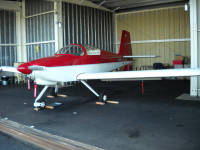
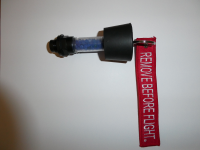
During the winter, it's hard to get-up and fly, and sometimes it's 4 to 5-weeks between flights during those dark wet PNW winter months. However, we keep heat in the engine compartment, desiccant plugs in the exhaust stacks (homemade but very effective), change the oil every 25-hours, use Aeroshell 15W-50 oil containing the Lycoming anti-corrosion additive (LW-16702), add AvBlend at every oil change, use MMO in the fuel system and cycle a shop-fan in the hangar when the relative humidity exceeds 80-percent to prevent condensation. And when we run the engine, it's always to normal operating temps and flown for 1 to 2 hours minimum. Been doing this for 22-years ever since completing our RV-9A project in 2004. Engine compression remains in the high 70's, cylinder borescope pictures look great, no metal found in the oil filter or oil sump screen, and the engine still runs like new -- not kidding. We epoxy primered every inside surface during our build, and it was professionally painted with epoxy zinc chromated primer under an Imron paint. So, no airframe corrosion either over that 22-years hangered in the PNW.


Last edited:
From what I understand, you can't see the camshaft without pulling a cylinder. So the borescope will only show you the cylinder, valves, piston, etc. The only way to replace a corroded cam is split the cases (IRAN at least).
I'm guessing if it hasn't flown much, there's no history of oil analysis? I would not buy an airplane that had been sitting that long unless it was cheap enough to justify an overhaul, which it sounds like it might be. Just thinking of ways you might mitigate the risks if you decide to move forward.
My brother and I owned a Twin Comanche that had sat for 2 or 3 years. In the end, we ended up spending the same amount of money we "saved" on the purchase, and it almost killed us twice in the process.
I'm guessing if it hasn't flown much, there's no history of oil analysis? I would not buy an airplane that had been sitting that long unless it was cheap enough to justify an overhaul, which it sounds like it might be. Just thinking of ways you might mitigate the risks if you decide to move forward.
My brother and I owned a Twin Comanche that had sat for 2 or 3 years. In the end, we ended up spending the same amount of money we "saved" on the purchase, and it almost killed us twice in the process.

Been looking at RVs and found a couple. Moving forward on an RV8 but another (RV7) came to my attention. It’s cheaper, similarly equipped but has not flown in 3 years and has been hangared in a humid environment. Owner says it’s been taxied occasionally. How concerned should I be about corrosion, primarily on the camshaft. To my understanding, taxing without brining temps up to boiling point could accelerate the pitting process on the lycoming cams. The difference between both planes is $40k for reference.
Maybe I'm going to be a contrary voice here:
If the difference between both planes is $40k: That's about the same as an overhaul.
If you keep the $40k and invest it, you get the airplane you want now, and if it turns out to have corrosion problem you already have the funds to deal with it. An engine with a corroded camshaft will give you lots of warning in the oil filter before it tries to hurt you, so there shouldn't be a safety of flight problem.
Just saying maybe you don't have to be as confident in the integrity of the engine if the price difference is that large. And if the engine turns out fine, you're ahead $40k.
- mark
Well -- there are a few things you can check. Has the engine been run since new or OH with CamGuard, Lycoming additive LW-16702 and/or AvBlend. How often was the oil changed (every 25- hours is a good sign). From my experience, if the compression is good (mid to upper 70's), the cylinders show no corrosion with a borescope in all cylinders and the engine starts and runs smoothly, then the cam is likely in good condition. You could run the engine for a 45-minute test flight, pull the oil filter, cut it open and inspect the filter element for any metal particles, especially if the oil hasn't recently been changed. A pre-buy inspection without an oil filter check won't tell you much about the camshaft condition.From what I understand, you can't see the camshaft without pulling a cylinder. So the borescope will only show you the cylinder, valves, piston, etc. The only way to replace a corroded cam is split the cases (IRAN at least).
I'm guessing if it hasn't flown much, there's no history of oil analysis? I would not buy an airplane that had been sitting that long unless it was cheap enough to justify an overhaul, which it sounds like it might be. Just thinking of ways you might mitigate the risks if you decide to move forward.
My brother and I owned a Twin Comanche that had sat for 2 or 3 years. In the end, we ended up spending the same amount of money we "saved" on the purchase, and it almost killed us twice in the process.
Last edited:
You can Borescope down through the crankcase if you remove the fuel pump, and insert the scope through there.From what I understand, you can't see the camshaft without pulling a cylinder. So the borescope will only show you the cylinder, valves, piston, etc. The only way to replace a corroded cam is split the cases (IRAN at least).
Much less invasive than pulling a cylinder.
Same. Flew 5-10 hrs a yr from. 03-18 when I bought it. Everything failedIMHO, walk away. Just went through a similar situation. Thought I'd dodge the bullet. Just spent over $40K on an overhaul. So many parts were rejected due to corrosion.

I would look at the difference in the rest of the two airframes. Build quality, avionics, total hours. If the one that has been sitting is preferred than negotiate a bigger difference and be prepared to overhaul. You will end up with a zero timed engine that you know versus what you don't know on the aircraft that wasn't sitting. You don't mention how many hours on the other engine. I have had two cams go (in a twin) that flew 3.5 hours a week stored indoors in a heated hangar. Regular flying doesn't guarantee no cam problems.

I think one of the issues overlooked is the type.
While the -7 and -8 maybe similar in some ways they are very different aircraft.
The -8 is a lot more antisocial than the -7. Passengers soon get bored of gazing at the back of your head.
However the -8 has centreline seating and more shoulder room.
I’m not sure I would allow an engine to sway me from one type to the other.
While the -7 and -8 maybe similar in some ways they are very different aircraft.
The -8 is a lot more antisocial than the -7. Passengers soon get bored of gazing at the back of your head.
However the -8 has centreline seating and more shoulder room.
I’m not sure I would allow an engine to sway me from one type to the other.

No one has talked about the other cost of overhaul, for me it’s been 7 months of no flying and no assurance when it will be finished. Parts availability is an issue, not much you can do.
When I bought my -14A my reasoning was I can get an engine rebuilt so the right airframe is highest priority. After Covid BOTH engine and airframe are critical and I wouldn’t buy one I wasn’t reasonably confident in the engine.
When I bought my -14A my reasoning was I can get an engine rebuilt so the right airframe is highest priority. After Covid BOTH engine and airframe are critical and I wouldn’t buy one I wasn’t reasonably confident in the engine.

Ah. The old Lycoming colonoscopy.You can Borescope down through the crankcase if you remove the fuel pump, and insert the scope through there.
Much less invasive than pulling a cylinder.
I read that as: “My Wife soon gets bored of smacking at the back of my head”. Nah. I doubt that….I think one of the issues overlooked is the type.
While the -7 and -8 maybe similar in some ways they are very different aircraft.
The -8 is a lot more antisocial than the -7. Passengers soon get bored of gazing at the back of your head.
However the -8 has centreline seating and more shoulder room.
I’m not sure I would allow an engine to sway me from one type to the other.

Can you see the full camshaft from that vantage point?You can Borescope down through the crankcase if you remove the fuel pump, and insert the scope through there.
Much less invasive than pulling a cylinder.
Totally agree. In addition to the cost, my plane was down for 8 months. At my age, I can't even put a value on that, but it hurt......a lot.No one has talked about the other cost of overhaul, for me it’s been 7 months of no flying and no assurance when it will be finished. Parts availability is an issue, not much you can do.
When I bought my -14A my reasoning was I can get an engine rebuilt so the right airframe is highest priority. After Covid BOTH engine and airframe are critical and I wouldn’t buy one I wasn’t reasonably confident in the engine.

sansoneservices
Well Known Member
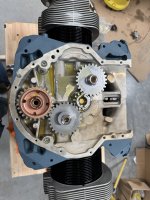
No.. but you can see all the gears in the accessory case. Usually if there's no corrosion in there it's somewhat reasonable to assume the rest of the internals are the sameCan you see the full camshaft from that vantage point?
The problem begins on the tappet face. Cam lobe doesn’t begin to fail until later stages. Imo, looking at lobe doesn’t help early on. Need to see tappet face and difficult to see issues in there in situ early on. Later stage it is easy to see.Can you see the full camshaft from that vantage point?
Usually starts with micro corrosion and takes many hours after that until you start seeing oil in filtet and visible issues. So if it has not had much running time since all the sitting, probably won’t find anything. That is why it is so insidious at purchase timeThe problem begins on the tappet face. Cam lobe doesn’t begin to fail until later stages. Imo, looking at lobe doesn’t help early on. Need to see tappet face and difficult to see issues in there in situ early on. Later stage it is easy to see.
From the fuel pump hole you can move the scope forward into the case, there are holes in the aft web of the crankcase.No.. but you can see all the gears in the accessory case. Usually if there's no corrosion in there it's somewhat reasonable to assume the rest of the internals are the same
It’ll take some wiggling but you could easily get a scope up inside the crankcase. Even easier would be to remove the governor drive.
Alternatively if it’s a fixed pitch hollow crank engine, take out the front plug on the crank and stick the scope through the crankshaft.
Attachments
I think you’re better off buying one in need of rebuild. The it’s all on you and you know what you’ve got. Buying one thinking you’re all good helps people make silly decisions in many cases because at the core, they believe they’re good.
I prefer to just buy the one I think is gonna blow up and then build it how I like it. And keep it that way!
Run lots, run hard… burn gas!!!!
I prefer to just buy the one I think is gonna blow up and then build it how I like it. And keep it that way!
Run lots, run hard… burn gas!!!!
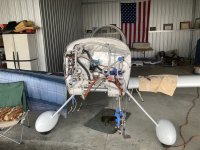
The hits just keep coming. Last mine flew was 8/31/25. Engine showed up 2 weeks ago. Now waiting on prop….Walk. You will not be in love with an airplane sitting for months, waiting on a backed-up shop, all the while, news of more failed items continue to increase the costs. It ain't fun.

Add me to the list of folks that bought a moderately inactive IO-360 powered aircraft, only to subsequently having to do an overhaul. Costly mistake but a good learning exercise.
Recently was looking at a 0-time Kitfox with a Lycoming 235. Aircraft was built over a 20-year period, engine is factory new purchased five years ago but not flown due to the builder's aging out. I stopped in my tracks when he said the 1.9 hours on the hobbs had been accumulated by "firing it up once a month in the hangar".
DANGER, DANGER Will Robinson!!!!!
Recently was looking at a 0-time Kitfox with a Lycoming 235. Aircraft was built over a 20-year period, engine is factory new purchased five years ago but not flown due to the builder's aging out. I stopped in my tracks when he said the 1.9 hours on the hobbs had been accumulated by "firing it up once a month in the hangar".
DANGER, DANGER Will Robinson!!!!!
Been looking at RVs and found a couple. Moving forward on an RV8 but another (RV7) came to my attention. It’s cheaper, similarly equipped but has not flown in 3 years and has been hangared in a humid environment. Owner says it’s been taxied occasionally. How concerned should I be about corrosion, primarily on the camshaft. To my understanding, taxing without brining temps up to boiling point could accelerate the pitting process on the lycoming cams. The difference between both planes is $40k for reference.
I'd say you need to put on your man pants and decide for yourself, you will be the one writing the checks.
I'd be concerned about just taxi, no flights. As you seem to be also.
The RV I bought had a fair number of red flags but generally met all my requirements. I'd followed the market for months and set up a spreadsheet to track the planes available. I prioritized a factory new engine (not joeblows OH shop), modern gadgetry, decent paint as I had already made many investment mistakes on my first plane. The plane had only flown 13 hours in two years, the log books were confusing, there was some corrosion on cylinder walls. I had randoms on the internet tell me to walk away, save my money. I had people reach out via PM on here and on the phone to warn me about some specific planes (thank you) and another person who wanted to trash the person that did my prebuy (the best and most experienced I could find). It was hot and humid when I went to see the plane. There were many many factors that could be taken as a negative.
If I relied on the consensus internet advice, principally on VAF and POA, I would not have bought an airplane that has brought me a lot of joy and adventure.
Oil analysis was crap.
It got better.
It is still getting better.
NONE of the feared issues came about.
A good prebuy with you present is a great way to learn more. I know a guy...

skylor
Well Known Member
Right -- the Pacific Northwest can be hard on airplanes -- I'm based at Paine Field WA myself. Out of curiosity, what did you find?
During the winter, it's hard to get-up and fly, and sometimes it's 4 to 5-weeks between flights during those dark wet PNW winter months. However, we keep heat in the engine compartment, desiccant plugs in the exhaust stacks (homemade but very effective), change the oil every 25-hours, use Aeroshell 15W-50 oil containing the Lycoming anti-corrosion additive (LW-16702), add AvBlend at every oil change, use MMO in the fuel system and cycle a shop-fan in the hangar when the relative humidity exceeds 80-percent to prevent condensation. And when we run the engine, it's always to normal operating temps and flown for 1 to 2 hours minimum. Been doing this for 22-years ever since completing our RV-9A project in 2004. Engine compression remains in the high 70's, cylinder borescope pictures look great, no metal found in the oil filter or oil sump screen, and the engine still runs like new -- not kidding. We epoxy primered every inside surface during our build, and it was professionally painted with epoxy zinc chromated primer under an Imron paint. So, no airframe corrosion either over that 22-years hangered in the PNW.
View attachment 117238 View attachment 117239
Be aware that Lycoming LW-16702 is an anti-scuffing agent, not an anti-corrosion additive.
Skylor
Maybe so, but it's certainly an anti-wear additive that both AeroShell (15W-50 semi-synthetic I use) and Phillips adds to their premium oil. Frankly, it's been working extremally well for me and for many years now, too! AvBlend has also been a wonderful additive that I have also been using for many years!Be aware that Lycoming LW-16702 is an anti-scuffing agent, not an anti-corrosion additive.
Skylor
AeroShell first introduced their AeroShell Oil W 15W-50 semi-synthetic multigrade oil in the early 1980s.
Key milestones for this product include:
- 1986: The oil was updated to include an anti-wear additive to meet the requirements of Lycoming engines (specifically to include Lycoming Additive LW 16702).
- 1993: It was further upgraded to include an anti-corrosion additive package to combat corrosion in engines.
Just go buy one… start having fun and quit worrying so much .
It’s never gonna be perfect. Overhauling an engine has been blown up to be this huge thing, but in reality is no more difficult that a VW engine.
Just about anyone can do it. I never seem to have any trouble finding parts and always seem to have an engine in work for some project or another.
It’s never gonna be perfect. Overhauling an engine has been blown up to be this huge thing, but in reality is no more difficult that a VW engine.
Just about anyone can do it. I never seem to have any trouble finding parts and always seem to have an engine in work for some project or another.
Just go buy one… start having fun and quit worrying so much .
It’s never gonna be perfect. Overhauling an engine has been blown up to be this huge thing, but in reality is no more difficult that a VW engine.
Just about anyone can do it. I never seem to have any trouble finding parts and always seem to have an engine in work for some project or another.
Yeah. I bought a project plane knowing full well I’d have to overhaul the engine, do the panel etc and as it happens I’ve loved the process and now I have a plane exactly as I want it - I could’ve bought the most expensive RV on the market and it wouldn’t have been the same satisfaction.
Plus now I know the condition and spec of everything in the aircraft.
In my experience you could by a plane that seems perfect in all aspects, and you’ll still find problems to solve on it.
Buying any plane is a risk and it’s gonna be expensive no matter how you cut it. In my opinion.

Larry, that is not what I have been seeing lately. The faces of followers were not pretty but not spalled. Every cam lobe had one 1mm pit on the before the peak at the same place where acceleration must be high. The plane had been sitting and was high in Fe in the oil sample. It only ran for 80 hrs after the first run from sitting.The problem begins on the tappet face. Cam lobe doesn’t begin to fail until later stages. Imo, looking at lobe doesn’t help early on. Need to see tappet face and difficult to see issues in there in situ early on. Later stage it is easy to see.
Finding places to do inspect and tag in a reasonable time is a massive issue. Lots make claims, can't do the work properly, and still slow. One basically wrapped the "yellow tagged" pieces in one sheet of newspaper and put it in a loose fitting box. Even the UPS guy was appalled.
Be very careful out there least you have an airplane and parts scattered (oh- and money) around for another 12 months.
Man… pull cowling and all the stuff in the way off…. One day. pull the jugs… one day…. Put new lifters… two hours…. Put jugs back on… one day. Put everything back together… one day…. Ground run…. Several times…. Go fly.
If that took you 12 months… I don’t really know what to say. Even to split and replace a cam only takes a day, once you have the engine off…
I feel like people are talking who don’t know how straightforward the process is…. Buy the overhaul manual. Follow the directions.
As for some help from friends….
It is homebuilding after all….
If that took you 12 months… I don’t really know what to say. Even to split and replace a cam only takes a day, once you have the engine off…
I feel like people are talking who don’t know how straightforward the process is…. Buy the overhaul manual. Follow the directions.
As for some help from friends….
It is homebuilding after all….
Yea and a new cam costs about $750. It’s not much.Man… pull cowling and all the stuff in the way off…. One day. pull the jugs… one day…. Put new lifters… two hours…. Put jugs back on… one day. Put everything back together… one day…. Ground run…. Several times…. Go fly.
If that took you 12 months… I don’t really know what to say. Even to split and replace a cam only takes a day, once you have the engine off…
I feel like people are talking who don’t know how straightforward the process is…. Buy the overhaul manual. Follow the directions.
As for some help from friends….
It is homebuilding after all….
There can be significant time bottlenecks on things like case work though

I bought an airplane (Comanche) that sat for 26 years on jacks at Paine Field. I overhauled the engine and surprisingly ALL the expensive steel parts checked out, including the two piece camshaft. A couple of gears were toast due to wear, not corrosion. So I would agree that the PNW (West Side) is not super forgiving, however, I think the newer parts and the quality of the steel we are getting these days are not lasting. Lyc cams are last on the oiling circuit, but the newer camshafts seem to be going TU way to soon. I've been buying used (OH'd and Y/T'd) parts that have been superseded by newer Lycoming part numbers long ago in hopes of getting some better parts from the days of old. This includes some of the cylinders too. For some reason newer cylinders just seem to be having more issues, especially Superiors. I am hearing that the Conti Titans cylinders are the ones the shops want because out of the 3, they seems to have less issues?Right -- the Pacific Northwest can be hard on airplanes -- I'm based at Paine Field WA myself. Out of curiosity, what did you find?
During the winter, it's hard to get-up and fly, and sometimes it's 4 to 5-weeks between flights during those dark wet PNW winter months. However, we keep heat in the engine compartment, desiccant plugs in the exhaust stacks (homemade but very effective), change the oil every 25-hours, use Aeroshell 15W-50 oil containing the Lycoming anti-corrosion additive (LW-16702), add AvBlend at every oil change, use MMO in the fuel system and cycle a shop-fan in the hangar when the relative humidity exceeds 80-percent to prevent condensation. And when we run the engine, it's always to normal operating temps and flown for 1 to 2 hours minimum. Been doing this for 22-years ever since completing our RV-9A project in 2004. Engine compression remains in the high 70's, cylinder borescope pictures look great, no metal found in the oil filter or oil sump screen, and the engine still runs like new -- not kidding. We epoxy primered every inside surface during our build, and it was professionally painted with epoxy zinc chromated primer under an Imron paint. So, no airframe corrosion either over that 22-years hangered in the PNW.
View attachment 117238 View attachment 117239
Yea and a new cam costs about $750. It’s not much.
There can be significant time bottlenecks on things like case work though
My point is simply that there is such a thing as a repair… it’s not like a 2-400 hr engine HAS to be overhauled as the only option.
That’s all
Totally agree. We've had cylinders off, in the shop for a quick hone and back on the plane, running in 2 days. Now that is 2 days (8-10 hours a day), but if you want to go flying.......Man… pull cowling and all the stuff in the way off…. One day. pull the jugs… one day…. Put new lifters… two hours…. Put jugs back on… one day. Put everything back together… one day…. Ground run…. Several times…. Go fly.
If that took you 12 months… I don’t really know what to say. Even to split and replace a cam only takes a day, once you have the engine off…
I feel like people are talking who don’t know how straightforward the process is…. Buy the overhaul manual. Follow the directions.
As for some help from friends….
It is homebuilding after all….
Our C-172 engine was timed out and two cylinders were trash - we found an overhauled engine we could buy and swap the core to avoid the downtime associated with a full rebuild. That's certified, different story there...
My 9A? Yeah, when that day comes, I'm grabbing the wrenches. I've been married 3 times, there's not much in this world that I'm scared of anymore.
My 9A? Yeah, when that day comes, I'm grabbing the wrenches. I've been married 3 times, there's not much in this world that I'm scared of anymore.
You can see the front three lobs of the cam BUT you have to pull the sump to see up there. I've did it. But my luck varies FIXITFrom what I understand, you can't see the camshaft without pulling a cylinder. So the borescope will only show you the cylinder, valves, piston, etc. The only way to replace a corroded cam is split the cases (IRAN at least).
I'm guessing if it hasn't flown much, there's no history of oil analysis? I would not buy an airplane that had been sitting that long unless it was cheap enough to justify an overhaul, which it sounds like it might be. Just thinking of ways you might mitigate the risks if you decide to move forward.
My brother and I owned a Twin Comanche that had sat for 2 or 3 years. In the end, we ended up spending the same amount of money we "saved" on the purchase, and it almost killed us twice in the process.

Anti-wear, anti-corrosion all the same ???? Not...................Be aware that Lycoming LW-16702 is an anti-scuffing agent, not an anti-corrosion additive.
Skylor
This can be used as a corrosion supplement: Phillips 66 Aviation Anti-Rust Oil 20W-50:
From the manufacture:
Aviation Antirust Oil is compatible with our other aviation engine oils, and may be used as a “supplement” to those products to enhance rust and corrosion protection when used in infrequently flown aircraft, particularly where high humidity is a concern. When used as a supplement, we recommend replacing up to 10% of the crankcase volume with Aviation Antirust Oil in place of the normal operational engine oil
See complete PDF for more data.
Last edited:
That is interesting. I just tore down an engine last winter with this problem that wa caught relatively early; making small amounts of metal, but hadn’t snowballed yet. Several lifter faces were spalled. Lobes had no evidence of corrosion and almost no wear. One lobe had worn down about 5 thou, but still very smooth and clean. Clearly not good enough to reuse, but no evidence of corrosion or pitting. I suppose there are various ways this problem can develop, but in speaking to a couple folks in the rebuild business it seemed it was most common to start on the tappet faces and once bad enough started chewing up the lobes. More lycoming mysteries i suppose.Larry, that is not what I have been seeing lately. The faces of followers were not pretty but not spalled. Every cam lobe had one 1mm pit on the before the peak at the same place where acceleration must be high. The plane had been sitting and was high in Fe in the oil sample. It only ran for 80 hrs after the first run from sitting.
Finding places to do inspect and tag in a reasonable time is a massive issue. Lots make claims, can't do the work properly, and still slow. One basically wrapped the "yellow tagged" pieces in one sheet of newspaper and put it in a loose fitting box. Even the UPS guy was appalled.
Be very careful out there least you have an airplane and parts scattered (oh- and money) around for another 12 months.
Last edited:

N10KE
Well Known Member
I am curious to know who did your pre buy and who tried to trash him. I’ll bet I can guess on both…and another person who wanted to trash the person that did my prebuy (the best and most experienced I could find).
A good prebuy with you present is a great way to learn more. I know a guy...
sansoneservices
Well Known Member
I'm not comfortable snaking-in the borescope from the accessory section, then through a passage into the crankcase and then trying to work it up to the camshaft. Even if I can see all 8 cam lobes and lifter faces, I would rather pull a jug. Often a seller isn't willing to let a potential buyer pull a jug, and I fully understand. A good look at the steel gears in the accessory section can give you an idea of corrosion levels inside the engine.From the fuel pump hole you can move the scope forward into the case, there are holes in the aft web of the crankcase.
It’ll take some wiggling but you could easily get a scope up inside the crankcase. Even easier would be to remove the governor drive.
Alternatively if it’s a fixed pitch hollow crank engine, take out the front plug on the crank and stick the scope through the crankshaft.
Definitely agree…pull a jug!

That's incredible! That is an O320 right? Will that work with the IO360?From the fuel pump hole you can move the scope forward into the case, there are holes in the aft web of the crankcase.
It’ll take some wiggling but you could easily get a scope up inside the crankcase. Even easier would be to remove the governor drive.
Alternatively if it’s a fixed pitch hollow crank engine, take out the front plug on the crank and stick the scope through the crankshaft.

There are things you can do to get indirect indications of corrosion but no good direct ways of inspecting cam shaft as you probably know. You can put some money in an account at time of sale to pay you should you have associated problems within a year or so ..... money that the seller would not receive until the clock expires. Easiest to walk away but I'd guess more than 1/2 the airplanes for sale aren't flown regularly.Been looking at RVs and found a couple. Moving forward on an RV8 but another (RV7) came to my attention. It’s cheaper, similarly equipped but has not flown in 3 years and has been hangared in a humid environment. Owner says it’s been taxied occasionally. How concerned should I be about corrosion, primarily on the camshaft. To my understanding, taxing without brining temps up to boiling point could accelerate the pitting process on the lycoming cams. The difference between both planes is $40k for reference.
sansoneservices
Well Known Member
320 & 360 are the same crankcase
After suffering prolonged down time due to an engine that was being IRAN'ed, I very much feel the pain of acquiring an aircraft and then incurring major costs. While the cost is obnoxious the worst part (for me) was the lack of flying.
If you would have to IRAN the engine, the lead times are quite long. Having an IRAN done at a certified shop (I had mine done at Penn Yan) often leads to costs that are WAY higher than expected. In my case the base IRAN quote ws $8k but for numerous reasons ended up being $20k+...
Personally I would get the RV7 and just order another engine. LONG TERM this is most likely to lead to a reliable aircraft and the engine will be zero timed to start. If the engine in it ends up running well and not making metal, cancel your order or sell the engine if it is received. If it has issues, the down time associated swapping engines with a new one ready to drop in is dramatically less. The old one could then be sent for OH or sold as a core.
If you would have to IRAN the engine, the lead times are quite long. Having an IRAN done at a certified shop (I had mine done at Penn Yan) often leads to costs that are WAY higher than expected. In my case the base IRAN quote ws $8k but for numerous reasons ended up being $20k+...
Personally I would get the RV7 and just order another engine. LONG TERM this is most likely to lead to a reliable aircraft and the engine will be zero timed to start. If the engine in it ends up running well and not making metal, cancel your order or sell the engine if it is received. If it has issues, the down time associated swapping engines with a new one ready to drop in is dramatically less. The old one could then be sent for OH or sold as a core.
maybe it was fate but I had the opportunity to sit in a 7 the other day and while it wasn’t tight sitting next to the owner, my legs were constricted and rubbing up against some knobs on the panel. Could have been just his set up but I have very long legs. Haven’t sat in an 8 yet but I think it will be much less of an issueAfter suffering prolonged down time due to an engine that was being IRAN'ed, I very much feel the pain of acquiring an aircraft and then incurring major costs. While the cost is obnoxious the worst part (for me) was the lack of flying.
If you would have to IRAN the engine, the lead times are quite long. Having an IRAN done at a certified shop (I had mine done at Penn Yan) often leads to costs that are WAY higher than expected. In my case the base IRAN quote ws $8k but for numerous reasons ended up being $20k+...
Personally I would get the RV7 and just order another engine. LONG TERM this is most likely to lead to a reliable aircraft and the engine will be zero timed to start. If the engine in it ends up running well and not making metal, cancel your order or sell the engine if it is received. If it has issues, the down time associated swapping engines with a new one ready to drop in is dramatically less. The old one could then be sent for OH or sold as a core.
