



Jetguy
Well Known Member
I recently upgraded my GPS system in my RV12 and decided to take a quick look back at the avionics upgrades I’ve made since the aircraft’s first flight in 2010. The first picture shows the aircraft in 2010 with all original avionics, featuring a Garmin 496 as the primary GPS unit.
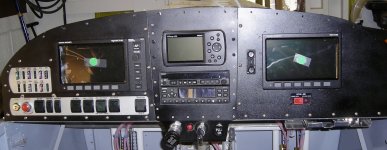
In 2015, I removed the 496 and upgraded to the Aera 796. While it had a large screen, it was not a very reliable unit with a poor touch screen.
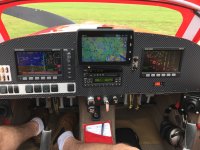
In May 2017, with the impending ADSB mandate, I upgraded to a Garmin 345 Transponder with Bluetooth. This unit seamlessly integrated into the aircraft without any modifications, except for changing the rack for the 345 rack and wiring harness. A month later, in 2017, I removed the Aera 796 and replaced it with a Garmin Aera 660. This unit has been a great addition, featuring a touch screen comparable to an iPhone, Wi-Fi navigation database updates, a bright screen, and the ability to communicate with the 345 for traffic and weather information displayed on the moving map, as well as Bluetooth for flight plan uploads. It was a relatively easy upgrade. In 2022, the older Garmin SL40 radio began to malfunction. After considering the cost of an overhaul, I decided to purchase a new radio, the Garmin GTR 200B with Bluetooth. Again, there were no major modifications to the panel, except for a rack swap out, similar to the previous transponder upgrade.
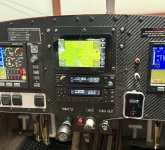
The latest upgrade was to the Aera 760 for the larger screen, which was a tight fit. I had to use a dremel tool to remove some plastic off of the top of the mount to raise it up as far as I could to clear the view of the Comm radio display below it
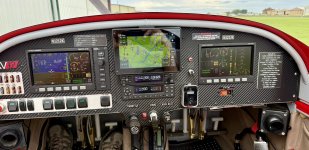
Throughout the years, all the Garmin GPS units I’ve used have had similar bare wire pinouts, making the wiring connections for each upgrade relatively straightforward. With the new transponder and comm radio, I was able to hire a local avionics technician to handle the wiring connections while I performed the manual labor of opening the glare shield and swapping out the racks. Additionally, I took the opportunity to upgrade the intercom because the GTR 200B has a great built-in intercom. I added an extra panel-mounted push-to-talk button on the right side of the panel for occasional flight instruction and an audio input jack for music through the intercom. The new Aera 760, like its predecessors, communicates with various components. It sends comm frequencies to the GTR 200B and receives weather and traffic data from the transponder on its map display. Additionally, it sends navigation data to the D180 HSI, enabling the AP74 Autopilot to track a course. The Aera 760 also features an integrated AHARS for 3D vision and an internal battery for continued operation in case of total electrical failure. Furthermore, it can receive flight plans from Foreflight via Bluetooth on my iPad. These upgrades have extended the lifespan of the Dynon D180 Avionics package while modernizing it. I built my RV12 16 years ago and intend to keep it for the foreseeable future.
In 2015, I removed the 496 and upgraded to the Aera 796. While it had a large screen, it was not a very reliable unit with a poor touch screen.
In May 2017, with the impending ADSB mandate, I upgraded to a Garmin 345 Transponder with Bluetooth. This unit seamlessly integrated into the aircraft without any modifications, except for changing the rack for the 345 rack and wiring harness. A month later, in 2017, I removed the Aera 796 and replaced it with a Garmin Aera 660. This unit has been a great addition, featuring a touch screen comparable to an iPhone, Wi-Fi navigation database updates, a bright screen, and the ability to communicate with the 345 for traffic and weather information displayed on the moving map, as well as Bluetooth for flight plan uploads. It was a relatively easy upgrade. In 2022, the older Garmin SL40 radio began to malfunction. After considering the cost of an overhaul, I decided to purchase a new radio, the Garmin GTR 200B with Bluetooth. Again, there were no major modifications to the panel, except for a rack swap out, similar to the previous transponder upgrade.
The latest upgrade was to the Aera 760 for the larger screen, which was a tight fit. I had to use a dremel tool to remove some plastic off of the top of the mount to raise it up as far as I could to clear the view of the Comm radio display below it
Throughout the years, all the Garmin GPS units I’ve used have had similar bare wire pinouts, making the wiring connections for each upgrade relatively straightforward. With the new transponder and comm radio, I was able to hire a local avionics technician to handle the wiring connections while I performed the manual labor of opening the glare shield and swapping out the racks. Additionally, I took the opportunity to upgrade the intercom because the GTR 200B has a great built-in intercom. I added an extra panel-mounted push-to-talk button on the right side of the panel for occasional flight instruction and an audio input jack for music through the intercom. The new Aera 760, like its predecessors, communicates with various components. It sends comm frequencies to the GTR 200B and receives weather and traffic data from the transponder on its map display. Additionally, it sends navigation data to the D180 HSI, enabling the AP74 Autopilot to track a course. The Aera 760 also features an integrated AHARS for 3D vision and an internal battery for continued operation in case of total electrical failure. Furthermore, it can receive flight plans from Foreflight via Bluetooth on my iPad. These upgrades have extended the lifespan of the Dynon D180 Avionics package while modernizing it. I built my RV12 16 years ago and intend to keep it for the foreseeable future.

