Van's Air Force

The definitive Van's Aircraft support community! Buying, building or flying an RV? Join our exclusive family of mentors and enthusiasts!

High Ampere readings + smell of burnt wires

wolkendoktor

I'm New Here
Hi, had high Ampere readings (+50 A) and the smell of burnt wires in cockpit (RV7). Turned off any electrics and landed immediately with no more smell. After landing engine runs fine in idle, then turned on all electric devices. 4 Amps reding, but more or less increasing linearly when giving more power. At 25 Amps we stopped. What can be the reason, alternator, power regulator?
Thanks for any suggestion.
 
Bernd, first off welcome to VAF!!

What alternator, internal or external regulator, if external then where is it mounted? How are you sensing current/voltage?

Any other information that you can supply will help us to figure out your problem.

Have you tried to find a cooked wire or other sign of where the smell came from?
 
Last edited:
Bernd, first off welcome to VAF!!

What alternator, internal or external regulator, if external then where is it mounted? How are you sensing current/voltage?

Any other information that you can supply will help us to figure out your problem.

Have you tried to find a cooked wire or other sign of where the smell came from?
Thanks, Mike. It is the usual plane power alternator (called deluxe 60A) + regulator which comes wih the ff kit (RV7, IO-360M1B). The regulator is mounted on the back side of the alternator. The reading shows the sum what all the devices draw, normally 7 to 10 Amp (two dynon SV 10"). Dont know the details cause the complete electric installation was done by a professional aviation electrician. We removed the cowling, found some light smell under it but found no sign of anything cooked.
After one hour we started the engine with one Dynon (on backup batt.) on and stepwise closed all fuses. The whole system looked working fine. But when rising power and RPM the Amps are going up. Had to stop far before WOT.
 
Hi, had high Ampere readings (+50 A) and the smell of burnt wires in cockpit (RV7). Turned off any electrics and landed immediately with no more smell. After landing engine runs fine in idle, then turned on all electric devices. 4 Amps reding, but more or less increasing linearly when giving more power. At 25 Amps we stopped. What can be the reason, alternator, power regulator?
Thanks for any suggestion.

Ohm's law, (E=I*R) describes the relationship of Voltage (E), Current (I), and Resistance (R) in "ohmic" circuits...

Current (I, Amps) is the amount of electrons moving through a circuit -- it has no subjective value (good or bad); just coulombs per second...

25A sounds pretty nominal in a system where the radio, lights are turned on and the battery has just been used to start the airplane.

Thanks, Mike. It is the usual plane power alternator (called deluxe 60A) + regulator which comes wih the ff kit (RV7, IO-360M1B). The regulator is mounted on the back side of the alternator. The reading shows the sum what all the devices draw, normally 7 to 10 Amp (two dynon SV 10"). Dont know the details cause the complete electric installation was done by a professional aviation electrician. We removed the cowling, found some light smell under it but found no sign of anything cooked.
After one hour we started the engine with one Dynon (on backup batt.) on and stepwise closed all fuses. The whole system looked working fine. But when rising power and RPM the Amps are going up. Had to stop far before WOT.

Where and what type of current measuring device is installed (shunt or hall effect "donut")?

What are the system voltage(s) and at what RPM?

By any chance is the alternator pulley (sheave) rubbing on the bottom cowl?
 
Ohm's law, (E=I*R) describes the relationship of Voltage (E), Current (I), and Resistance (R) in "ohmic" circuits...

Current (I, Amps) is the amount of electrons moving through a circuit -- it has no subjective value (good or bad); just coulombs per second...

25A sounds pretty nominal in a system where the radio, lights are turned on and the battery has just been used to start the airplane.
normally I see values of 7-10 A and when the batt is loading up to 15 A

Where and what type of current measuring device is installed (shunt or hall effect "donut")?
shunt

What are the system voltage(s) and at what RPM?
normally 14.4 and 2500

By any chance is the alternator pulley (sheave) rubbing on the bottom cowl?
definitly not
 
How about running the engine and shutting down one device at the time, including the Alternator, to see if you can pin point to what device is drawing the extra amp or causing the smell.
 
No expert here but the smell alone and especially coupled with the high readings tell you all you need to know. The wires may appear to be fine because it's not cooked yet because you did the right thing by shutting everything down. I would start like I always do for any electrical issue... check every single connection. Not just a quick glance but maybe even undoing then redoing it. Uncowl and run engine so you can follow your nose for clues. Might have a fire extinguisher handy too.
 
Last edited:
How about running the engine and shutting down one device at the time, including the Alternator, to see if you can pin point to what device is drawing the extra amp or causing the smell.
we did it for every device except the alternator. No high or even changed readings. Any lights and strobe were off. Main consumer is the Dynon SV with appr. 4 amps.
 
No expert here but the smell alone and especially coupled with the high readings tell you all you need to know. The wires may appear to be fine because it's not cooked yet because you did the right thing by shutting everything down. I would start like I always do for any electrical issue... check every single connection. Not just a quick glance but maybe even undoing then redoing it. Uncowl and run engine so you can follow your nose for clues. Might have a fire extinguisher handy too.
+1

Substantially higher than normal current with burning elec smell equals a full or partial short. Could be in wires or inside an electrical appliance. Many shorts resolve themselves by burning off the offending wire/component shorted. I would not ignore it. best to find it.
 
Do you have a bus bar and breakers on the panel?
Or VPX?
Or fuse block?

Check where the main power wire passes through the firewall, and where it connects to the breaker bus-bar (if you have one)
 
+1

Substantially higher than normal current with burning elec smell equals a full or partial short. Could be in wires or inside an electrical appliance. Many shorts resolve themselves by burning off the offending wire/component shorted. I would not ignore it. best to find it.
Many burnt or smoking wires can be caused not by shorts or heavy current draws BUT a loose connection that will not allow the higher required current to pass causing the terminal to get hot and then cause the wire near the terminal to melt or burn. It can sometimes take very careful observation to find it.
 
Hi, had high Ampere readings (+50 A) and the smell of burnt wires in cockpit (RV7). Turned off any electrics and landed immediately with no more smell. After landing engine runs fine in idle, then turned on all electric devices. 4 Amps reding, but more or less increasing linearly when giving more power. At 25 Amps we stopped. What can be the reason, alternator, power regulator?
Thanks for any suggestion.

Going back to the original question -- "What can be the reason, alternator, power regulator.?"; Amps create heat, heat causes things (insulation) to melt/burn...

Without knowing further specifics about your system (type of alternator, battery, circuit breakers or fuses or VPX or ACM...) we're operating a bit in the blind.

For review:
The alternator produces current at a voltage (read: power, watts), alternator regulator controls the output of the alternator by regulating the current (by varying the voltage) to the rotor inside the alternator. The regulator senses the buss voltage compared to the set point and it adjusts its output inversely, thereby driving the alternator output voltage.

If you smell that burnt plastic smell - it *could* be a wire overheating caused by excessive current flow, a trace or wire on a PCB burning through, or friction -> heat on a piece of fiberglass, a crap termination wiggling around and arcing - burning off oil/grease.

If the electrical system follows any semblance of correct wiring practices, a circuit protection device (fuse, CB, VPX) should "open" when the current in the circuit is in exceedance of the design amperage -- way before the exothermic event happens. A fusible link or ANL (another kind of fuse) will melts when the current gets too high.

Operating in the blind - here's my theory: The alternator/regulator experienced an over-voltage condition. The alternator's output voltage (as described above) became unregulated and increased, which has the effect of driving more amps through every circuit (see Ohm's law), but not enough to trip any one fuse or circuit breaker. Additionally, given the known failure modes of alternators, the burning smell could be attributed to one or more of the rectifier diodes in the alternator melting.

When you saw 50A, what was the buss voltage? Same question for post flight when you saw 25A; what was the bus voltage? Can you share EFIS/EMS data?
 
Last edited:
Many burnt or smoking wires can be caused not by shorts or heavy current draws BUT a loose connection that will not allow the higher required current to pass causing the terminal to get hot and then cause the wire near the terminal to melt or burn. It can sometimes take very careful observation to find it.
Indeed. I had that where my main positive connected to the breaker bus bar.
 
Post your CSV file in zip format and almost guaranteed someone on the forum will figure it out or at a minimum give you a direction to look. These files are incredibly helpful. I’m assuming you are not using VPX ?
 
A good way to diagnose would also be to get a thermal camera, let everything run and look for any hotspots.
Your hand can find hot spots easier, something is getting hot, feel around till you find it.
(or if you're brave enough keep running till you see smoke!!)
 
Hi, had high Ampere readings (+50 A) and the smell of burnt wires in cockpit (RV7). Turned off any electrics and landed immediately with no more smell. After landing engine runs fine in idle, then turned on all electric devices. 4 Amps reding, but more or less increasing linearly when giving more power. At 25 Amps we stopped. What can be the reason, alternator, power regulator?
Thanks for any suggestion.
My one and only experience with a cooked smell in the cockpit was when my old-style flap motor decided to immolate itself.
 
Going back to the original question -- "What can be the reason, alternator, power regulator.?"; Amps create heat, heat causes things (insulation) to melt/burn...

Without knowing further specifics about your system (type of alternator, battery, circuit breakers or fuses or VPX or ACM...) we're operating a bit in the blind.

For review:
The alternator produces current at a voltage (read: power, watts), alternator regulator controls the output of the alternator by regulating the current (by varying the voltage) to the rotor inside the alternator. The regulator senses the buss voltage compared to the set point and it adjusts its output inversely, thereby driving the alternator output voltage.

If you smell that burnt plastic smell - it *could* be a wire overheating caused by excessive current flow, a trace or wire on a PCB burning through, or friction -> heat on a piece of fiberglass, a crap termination wiggling around and arcing - burning off oil/grease.

If the electrical system follows any semblance of correct wiring practices, a circuit protection device (fuse, CB, VPX) should "open" when the current in the circuit is in exceedance of the design amperage -- way before the exothermic event happens. A fusible link or ANL (another kind of fuse) will melts when the current gets too high.

Operating in the blind - here's my theory: The alternator/regulator experienced an over-voltage condition. The alternator's output voltage (as described above) became unregulated and increased, which has the effect of driving more amps through every circuit (see Ohm's law), but not enough to trip any one fuse or circuit breaker. Additionally, given the known failure modes of alternators, the burning smell could be attributed to one or more of the rectifier diodes in the alternator melting.

When you saw 50A, what was the buss voltage? Same question for post flight when you saw 25A; what was the bus voltage? Can you share EFIS/EMS data?
Assuming
Going back to the original question -- "What can be the reason, alternator, power regulator.?"; Amps create heat, heat causes things (insulation) to melt/burn...

Without knowing further specifics about your system (type of alternator, battery, circuit breakers or fuses or VPX or ACM...) we're operating a bit in the blind.

For review:
The alternator produces current at a voltage (read: power, watts), alternator regulator controls the output of the alternator by regulating the current (by varying the voltage) to the rotor inside the alternator. The regulator senses the buss voltage compared to the set point and it adjusts its output inversely, thereby driving the alternator output voltage.

If you smell that burnt plastic smell - it *could* be a wire overheating caused by excessive current flow, a trace or wire on a PCB burning through, or friction -> heat on a piece of fiberglass, a crap termination wiggling around and arcing - burning off oil/grease.

If the electrical system follows any semblance of correct wiring practices, a circuit protection device (fuse, CB, VPX) should "open" when the current in the circuit is in exceedance of the design amperage -- way before the exothermic event happens. A fusible link or ANL (another kind of fuse) will melts when the current gets too high.

Operating in the blind - here's my theory: The alternator/regulator experienced an over-voltage condition. The alternator's output voltage (as described above) became unregulated and increased, which has the effect of driving more amps through every circuit (see Ohm's law), but not enough to trip any one fuse or circuit breaker. Additionally, given the known failure modes of alternators, the burning smell could be attributed to one or more of the rectifier diodes in the alternator melting.

When you saw 50A, what was the buss voltage? Same question for post flight when you saw 25A; what was the bus voltage? Can you share EFIS/EMS data?
Back to basics:
  1. Typical configuration is the alternator output goes to the Main bus through a high current breaker, say 50 or 60 amps. (unless somehow your plane has weird wiring.), and the battery is connected to the main bus when the master is on.
  2. Typically there will be current sensing on that path showing the total plane load, which after start includes the battery re-charge from starting and then settles to the running load of whatever is turned on. I assume it isn't a battery problem because the plane gets re-started successfully. A battery short would show lower than 14 V.
  3. Since all loads from the buss onward are on lower current breakers than the 50 amps, and turning off all the loads doesn't make the problem go away, it can't be a normal load like avionics, lights, etc. that is at fault.
  4. It can't be a shorted diode in the alternator since that fault current would not appear outside the alternator.
  5. Therefore the fault is on the alternator output path since you can see the over current with all loads off.
  6. It could be either side of the alternator output breaker if the fault current is below the breaker trip value, therefor on the run from the alternator to the breaker or the run from the alternator breaker to the bus, including the bus itself.
  7. So now to find where on that path:
    1. As suggested, look at the alternator output wire with an IR camera - that's easier, more sensitive, and safer than touching stuff. There's 14v x 50A = 700 watts happening somewhere and a camera will see that easily.
    2. With all loads off, measure the bus to ground resistance. Disconnect one side of the alternator output breaker and measure to ground on either side. Likely you will see the short on one side, which then lets you hunt either of the two segments.
Question - is there a field current switch/breaker or is the field powered directly at the alternator? Can you turn the alternator off?

Good Luck!
 
we did it for every device except the alternator. No high or even changed readings. Any lights and strobe were off. Main consumer is the Dynon SV with appr. 4 amps.
Bernd, Some questions & some thoughts.
#1 - What wiring arrangement is your current measuring shunt? Do you only see Alternator output (load meter function) or is your shunt in series with the battery so you can see current going into battery (a positive indication) and see current leaving the battery (a negative indication)?
#2 - Do you have a bunch of Ckt Bkrs such that you can pull them ALL thus removing power from all possible systems?
#3 - I ASSUME that you can shut off the field of the Alternator with either one side of the master switch OR a separate Alt Field switch OR a separate Alt Field Ckt Bkr ? any of these could be used to eliminate power going into the regulator portion of the Alternator (the regulator drives the field windings based on bus voltage).
#4 - Do you have a 60 amp or so Ckt Bkr directly in the Alternator Output wire such that you can isolate the Alternator output from the aircraft completely?
#5 - I ASSUME your Dynon SV screens are the only way you have of monitoring Alternator charging output... and thus using one screen on back-up is a GREAT plan, but many items are connected to that Dynon back-up battery such as ADAHRS, Knob panel, AP control panel, ARINC 429 converter to name a few including the EMS module...
If EVERYTHING except 1 screen is completely disabled by Ckt Bkrs and you still smell an odor at a high engine RPM then it could be one of these components however it's NOT likely since these are all low power draws. All this is based on my thinking you have an EXTERNAL backup battery for screens, if it's internal to the screens - different story.
My thoughts - If the Alt output INCREASES with RPMs then it's most likely the short circuit is down stream of the current shut otherwise it would not be indicated...
That said - It IS possible the Alt output voltage is going UP with RPM's, but that the voltage is being held down by the battery which is absorbing excess current without allowing bus voltage to go UP. Best way to eliminate this possibility is to measure voltage prior to the current shunt (best at Alt output terminal).
I think a reasonable troubleshooting path would be to disable EVERYTHING, using Ckt Bkrs except the 1 screen running on backup battery. This INCLUDES the Alt field & Alt Output main wire. Run the engine & see if Amps are normal or still an issue.
If Amps Ok... then Add systems one at a time to see if they cause failure mode to reappear. Possibly add back the alternator field 1st, followed by Alt main wire next, and then your choice of individual systems..
Sorry for being wordy... possibility this will help.

 
I have seen currents that high which charging a Lithium Ion battery that has gotten to a low state of charge. They have very low internal resistance and will draw lots of amps if at a very low state of charge. This is one reason EarthX says to use a battery size appropriate to your alternator. If the alternator is too high amp rating for the battery size chosen it could damage the battery due to excessive charging current if the battery is well discharged and the alternator is too high a rating for it.
Ed
 
I have seen currents that high which charging a Lithium Ion battery that has gotten to a low state of charge. They have very low internal resistance and will draw lots of amps if at a very low state of charge. This is one reason EarthX says to use a battery size appropriate to your alternator. If the alternator is too high amp rating for the battery size chosen it could damage the battery due to excessive charging current if the battery is well discharged and the alternator is too high a rating for it.
Ed
The smallest EarthX battery typically used (99%) is a ETX680. It’s documented to take a 60 amp charge. This is probably not the problem. (99%).
 
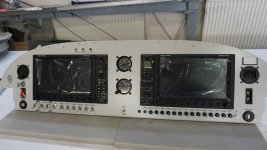
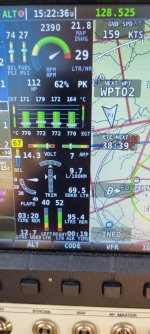
Thank you so much for the many valuable tips. I will try to follow them. Meanwhile I have attached two photos where you can see what I can do on the panel side and which values are nomally seen (just 20 min before the incident).
 

Attachments

  • k-DSC00946.JPG
    k-DSC00946.JPG
    480.1 KB · Views: 48
  • 20260525_172239.jpg
    20260525_172239.jpg
    1.5 MB · Views: 47
I was convinced I had smoke in my cockpit once along with electrical smells. My problem ended up being non gadget and non electrical. I was only a student pilot at the time. Front crankcase seal went bad.

Point being, adrenaline might impact assessment of reality.
 
Back
Top