


Hi All -
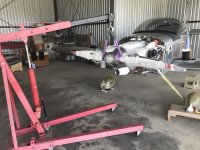
So I've been reading plenty about the gear leg fairings on the RV7. My bird (which I didn't build) had spray-foam filled fairings. I've removed all the foam and cleaned things up (after installing TS Flightlines brake lines). Now I'm trying to figure the best way to secure the leg fairings going forward.
I have the Van's plans and the original idea appears to be to notch the fiberglass and use a hose clamp on the upper part - to keep the fairing in place. Seems reasonable, but I wonder about longevity? I thought about building an aluminum strip, attaching/aligning IT with a clamp, and then bolting the fairing to that piece of aluminum?
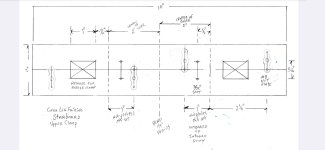
I also installed new tires, tubes and balanced everything. The gear leg shimmy that I occasionally had prior isn't there now. From reading the forums I understand that the shimmy free landings may not last. I like the shimmy dampers that involve adel clamps and a 2" strip of aluminum. I mention this because it seems that solution may be an aid to the fairing mounting if I go that route? Maybe I should just build the anti-shimmy and then mount the fairings?
And what about the bottom of the fairing? Does that need some support? My fairings have the piano hinge per the plans, and they do seem pretty strong torsionally. So maybe they can float the the bottom? (There is no support/interface to the wheel pant. I do have the upper fairing which I'm hoping will help me with the fairing alignment - since I understand that's important too...)
Lots of details here, I acknowledge.
I'd love to see some pictures of others who have addressed the fairing mount issue, if possible. For me, a picture is worth a thousand words...I'm inclined to wait on the shimmy fix since it's gone for now...
Thanks!
So I've been reading plenty about the gear leg fairings on the RV7. My bird (which I didn't build) had spray-foam filled fairings. I've removed all the foam and cleaned things up (after installing TS Flightlines brake lines). Now I'm trying to figure the best way to secure the leg fairings going forward.
I have the Van's plans and the original idea appears to be to notch the fiberglass and use a hose clamp on the upper part - to keep the fairing in place. Seems reasonable, but I wonder about longevity? I thought about building an aluminum strip, attaching/aligning IT with a clamp, and then bolting the fairing to that piece of aluminum?
I also installed new tires, tubes and balanced everything. The gear leg shimmy that I occasionally had prior isn't there now. From reading the forums I understand that the shimmy free landings may not last. I like the shimmy dampers that involve adel clamps and a 2" strip of aluminum. I mention this because it seems that solution may be an aid to the fairing mounting if I go that route? Maybe I should just build the anti-shimmy and then mount the fairings?
And what about the bottom of the fairing? Does that need some support? My fairings have the piano hinge per the plans, and they do seem pretty strong torsionally. So maybe they can float the the bottom? (There is no support/interface to the wheel pant. I do have the upper fairing which I'm hoping will help me with the fairing alignment - since I understand that's important too...)
Lots of details here, I acknowledge.
I'd love to see some pictures of others who have addressed the fairing mount issue, if possible. For me, a picture is worth a thousand words...I'm inclined to wait on the shimmy fix since it's gone for now...
Thanks!